Front Range Animal Hospital Monument, Colorado, USA
Appointments are available:
Mon-Fri 7:30 - 5:30 p.m., Saturday 8 - 12:30 p.m. (719) 481-3455
The Importance of an Annual Exam:
Preventing
Obesity in Pets
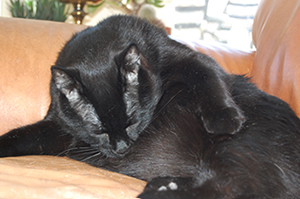 Obesity is one of the most serious health threats facing pets today. As many as 50% of dogs, and 15% of cats are moderately to severely overweight. Excess weight shortens lifespan. A recent study showed that lean dogs lived 2 years longer than overweight dogs! Excess weight increases the risk of arthritis. In the same study, 75% of the heavy dogs had arthritis, whereas only 10% of the lean dogs did. In addition, obesity increases the risk of congestive heart failure, respiratory disease, liver failure (cats), pancreatitis (dogs), diabetes, skin problems and “slipped” discs. If your pet is overweight, we encourage you to act now, to ensure that your pet lives a long and healthy life.
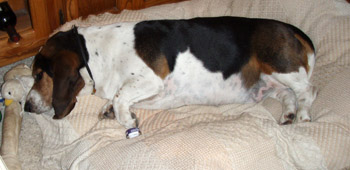
Sometimes it is difficult for an owner to determine if their pet is overweight. In general, a lean pet has a “waistline” when viewed from above, and a “tucked up” abdomen in front of the back legs when viewed from the side. If you aren’t sure if your pet is a good weight, ask the doctor.
 |
The first step to a healthier pet is to schedule an examination with the doctor. Some pets have a hormone imbalance causing the obesity, or a problem that can mimic obesity, such as fluid accumulation in the abdomen. At that time, the doctor will also check for any health problems caused by the excess weight. She will then give you specific recommendations on how to get your pet to lose weight.
The most important aspect of a weight reduction program is reducing the number of calories your pet eats. You will need to feed 1/3rd less food, or change to a prescription weight loss diet. Ask for feeding guidelines if your pet has been “free-feeding”. You must greatly reduce the treats and table foods to succeed. Low-calorie treat alternatives for dogs include carrots, steamed green beans, or bite-sized shredded wheat squares.
 |
For dogs that really have trouble losing weight, there is a new product called Slentrol to help you succeed. Slentrol reduces fat absorption from meals, and reduces appetite by increasing the hormone that tells a dog he’s full. This product is very effective in getting dogs to lose those excess pounds. We don’t currently have a similar product for cats.
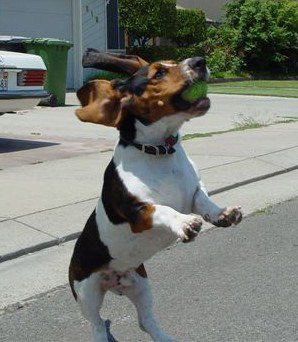
A regular exercise program is extremely beneficial in aiding weight loss and curbing appetite. Remember, many overweight pets are sedentary and should be introduced gradually to exercise.
Weight loss is gradual, usually ¼-2 lbs. per week, depending on the size of your pet. We recommend monthly weight checks to make sure progress is being made. It usually takes 3-9 months to achieve the desired weight loss, but your patience will pay off with a healthier, more energetic, and longer-lived pet!